Teaching Children Independence from the Toddler Years
As parents and carers, our natural instinct is to help our children. We dress them, carry their bags, open their snacks, tidy their toys and step in whenever something feels difficult.
Helping often feels like the quickest and kindest option—especially during busy mornings! However, when adults regularly do everything for children, we may unintentionally take away valuable opportunities for them to learn, practise and develop confidence.
Teaching children to be self-sufficient does not mean expecting them to manage everything alone. It means giving them age-appropriate opportunities to try, make mistakes, solve problems and experience the wonderful feeling of saying:
“I did it myself!”
Independence Begins in the Early Years
Children begin developing independence from a very young age. Even toddlers can participate in simple daily routines, such as:
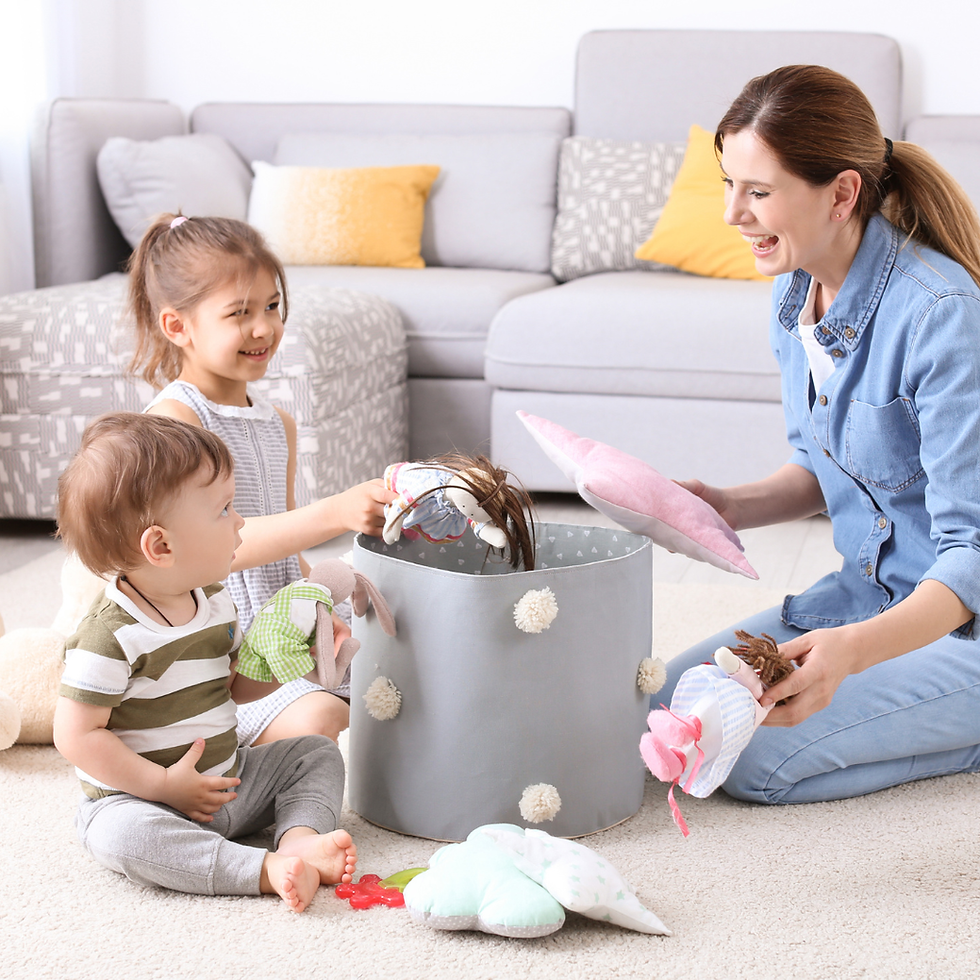
Putting toys into a basket
Carrying their own drink bottle
Feeding themselves
Choosing between two outfits
Placing dirty clothes in a laundry basket
Attempting to put on their shoes
Helping wipe up small spills
Packing away after play
These everyday tasks may seem small, but they build important skills that support children throughout their early childhood education and beyond.
In quality childcare and Kindergarten programs, educators encourage children to become active participants in their own routines. Through play-based learning, children develop independence, decision-making skills, persistence and a sense of responsibility.
Why Do Adults Step In So Quickly?
There are many understandable reasons parents do things for their children.
We may be running late, trying to avoid a mess, worried they will become frustrated or simply wanting to make life easier for them. Sometimes it is much faster to put on a child’s shoes than to watch them struggle with the straps for five minutes!
However, those five minutes are where valuable learning happens.
When children are given enough time to try, they practise:
Fine and gross motor skills
Problem-solving
Patience and persistence
Emotional regulation
Confidence
Responsibility
Communication
Organisation
The goal is not perfection. The goal is participation and progress.
Step Back, But Do Not Step Away
Encouraging independence does not mean leaving children without help. Children still need supportive adults nearby to guide, encourage and keep them safe.
Instead of immediately completing the task for them, try offering just enough assistance to help them continue.
For example, rather than putting on your child’s entire shoe, you might loosen the strap and say:
“I have opened it for you. Now you can slide your foot inside.”
Instead of packing away all their toys, try:
“You pack away the blocks, and I will pack away the books.”
This approach is sometimes called scaffolding. The adult provides support while still allowing the child to complete part of the task independently.
As children become more capable, the adult gradually provides less assistance.
Allow Children to Experience Safe Struggles
Watching your child struggle can be difficult. However, safe and manageable challenges are an important part of learning.
A puzzle piece may not fit immediately. A shoe might go on the wrong foot. A tower may fall over. A drink may spill.
These moments are not failures—they are learning experiences.
When adults immediately fix every problem, children may begin to believe they cannot manage challenges without someone else taking over. When they are encouraged to keep trying, they learn that mistakes are normal and problems can be solved.
Helpful phrases include:
“Take your time.”
“What could you try next?”
“That was tricky, but you kept trying.”
“Would you like a little help or another chance?”
“You worked that out!”
“Mistakes help us learn.”
Praise the child’s effort, persistence and problem-solving rather than only focusing on whether the task was completed perfectly.
Age-Appropriate Ways to Build Independence
Toddlers
Toddlers can begin making simple choices and helping with familiar routines.
They may be able to:
Feed themselves with a spoon
Place rubbish in the bin
Carry their hat or drink bottle
Choose between two options
Help pack away toys
Wash their hands with assistance
Attempt to remove simple clothing
Preschool and Kindy-Aged Children
As children grow, they can take on greater responsibility.
They may be able to:
Dress themselves with minimal assistance
Pack their bag
Pour water from a small jug
Help prepare simple food
Put belongings in the correct place
Help set the table
Follow two or three-step instructions
Complete simple household jobs
Ask an adult for help when needed
Children develop at different rates, so expectations should always reflect each child’s age, abilities and individual needs.
Give Children Enough Time
Independence cannot be rushed.
Children need repeated opportunities to practise skills before they become confident. Tasks may take longer, and the result may not look exactly the way an adult would have completed it.
Try allowing additional time during daily routines. Starting the morning ten minutes earlier may give your child the opportunity to dress themselves, pack their belongings or attempt their own shoes without feeling hurried.
When time is genuinely limited, it is okay to help. Independence is built through regular opportunities—not through expecting children to do everything themselves every time.
Independence Supports School Readiness
Being ready for school involves much more than recognising letters and numbers.
Children also benefit from being able to:
Manage their belongings
Follow routines
Make choices
Attempt tasks before asking for help
Communicate their needs
Cope when something does not work immediately
Participate in packing away
Take responsibility for simple personal-care tasks
These skills support children as they move through Kindy and the Early Years of school.
High-quality early education and care services create opportunities for children to practise these skills throughout the day. In daycare environments, routines such as mealtimes, handwashing, rest preparation, transitions and packing away all become meaningful learning opportunities.
Working Together with Families
Children benefit when families and educators use similar approaches.
At Skippy’s Early Learning, our educators support children to develop independence through everyday routines, relationships and play-based learning experiences. Children are encouraged to make choices, care for their belongings, participate in routines and try age-appropriate tasks for themselves.
Across our services in Frenchville, Gracemere and Yeppoon, we work alongside families to support children’s confidence, capability and growing independence.
A Helpful Reminder for Parents
Teaching independence is not about pushing children to grow up too quickly.
It is about showing them:
“I believe you are capable, and I am here when you need me.”
Start with one or two small responsibilities and build from there. Expect spills, mismatched shoes, slow mornings and plenty of attempts.
The next time you feel tempted to step in immediately, pause and ask yourself:
“Is my child unsafe, or are they simply finding this difficult?”
When it is safe, give them time to try.
By stepping back just a little, we give children the space to step forward with confidence.